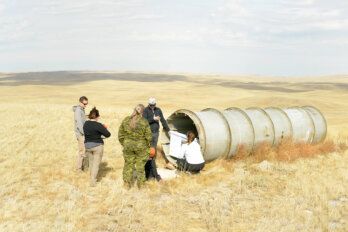
How a Military Base Became a Safe Haven for Endangered Species
Tank treads tearing up the earth and planned fires are the kind of short-lived destruction that mimics much-needed natural cycles for all matter of wildlife
Read MoreFact-based journalism that sparks the Canadian conversation
Tank treads tearing up the earth and planned fires are the kind of short-lived destruction that mimics much-needed natural cycles for all matter of wildlife
Read More
Facing ecological and political uncertainty at home, some of the province’s largest lumber producers are looking south
Read More
Canada holds between a quarter and a third of the world’s peatlands. It’s time we took better care of them
Read More
Before pesticides, biocontrol was all scientists had to combat introduced insects. Now, the controversial tactic is coming back
Read More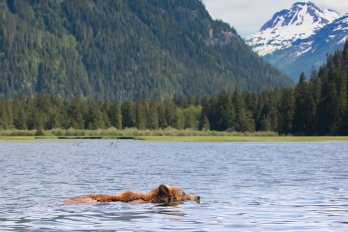
A $25 million carbon-offset project is struggling to find buyers, and the Great Bear Rainforest is on the line
Read More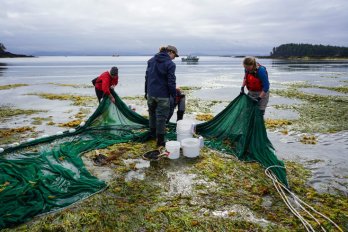
Efforts to preserve ocean life are meaningless if governments don’t enforce standards of protection
Read More
The University of Guelph PhD student was one of 175 who died on Flight 752. Friends remember a conservationist who fought to put Indigenous needs first
Read More
The plastic that popularized canoeing could soon disappear
Read More