The North Knows What It’s Like to Fight a Pandemic
The region isn’t equipped to fight infectious diseases. That doesn’t mean it’s not prepared
Read MoreFact-based journalism that sparks the Canadian conversation
The region isn’t equipped to fight infectious diseases. That doesn’t mean it’s not prepared
Read More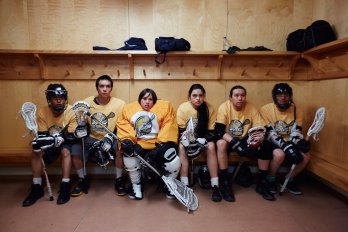
The Grizzlies is about a lacrosse team that transformed one Nunavut community. But it’s also about Inuit leading the way
Read More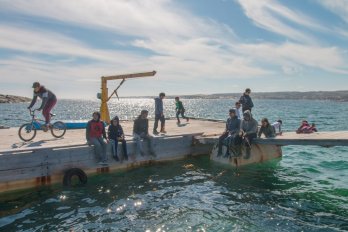
Six Inuit tell the story of their families’ forced relocations to an unfamiliar land—and how they came to call the place home
Read More
Iqaluit now has the only retail alcohol store in the territory. But will better regulation help curb addiction?
Read More
You can see the future of the Arctic in Cambridge Bay, Nunavut
Read More
The 1,000 passengers of the Crystal Serenity will double the population of Pond Inlet, Nunavut. Is the town ready?
Read More
In most of the North, dialing 911 in an emergency doesn’t work. Why building the infrastructure could save lives
Read More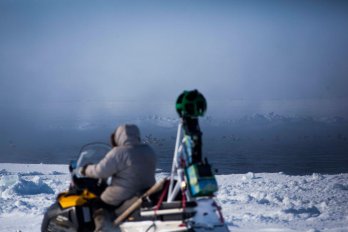
How a remote archipelago in Hudson Bay is using digital cartography to put itself on the map
Read More