Parental Leave Is Broken
It’s a privilege to take paid time when your baby is born. But the system is far from equal
Read MoreFact-based journalism that sparks the Canadian conversation
It’s a privilege to take paid time when your baby is born. But the system is far from equal
Read More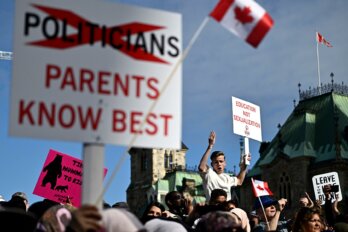
Why are federal and provincial conservative leaders echoing the talking points of QAnon?
Read More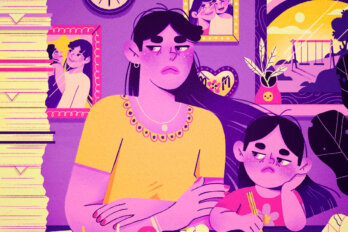
Children and parents are often frustrated. Some education experts are calling for a rethink
Read More
We are a society obsessed with the safety of our children. But kids are forced to run a life-threatening gauntlet on the way to class
Read More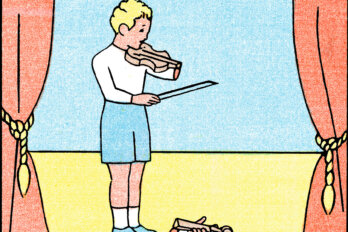
As a former violin student, I decided to investigate why so many promising players quit early
Read More
Why prospective parents are turning to social media for sperm donations
Read More
What have I missed out on because I’ve mistaken someone else’s fear for my own good sense?
Read More
Was it unfeeling to use my child’s outbursts for an artistic pursuit?
Read More
What happens when child care becomes a right, like health care in Canada, and what can we learn from countries who have done this before us?
Read More
Many parents eagerly received their jabs, but some aren’t feeling the same enthusiasm for immediately vaccinating their children
Read More